Experienced Siding Services to Transform Your Home's Curb Appeal
Professional siding services offer homeowners a sensible solution to enhance curb appeal. Premium materials and expert installation can address typical exterior issues while delivering lasting protection. Various siding options exist, each with distinct benefits that cater to different aesthetic and functional needs. Comprehending these choices is essential for making an well-informed decision. What factors should be evaluated when choosing the right siding for a property? The answer may astonish many homeowners.
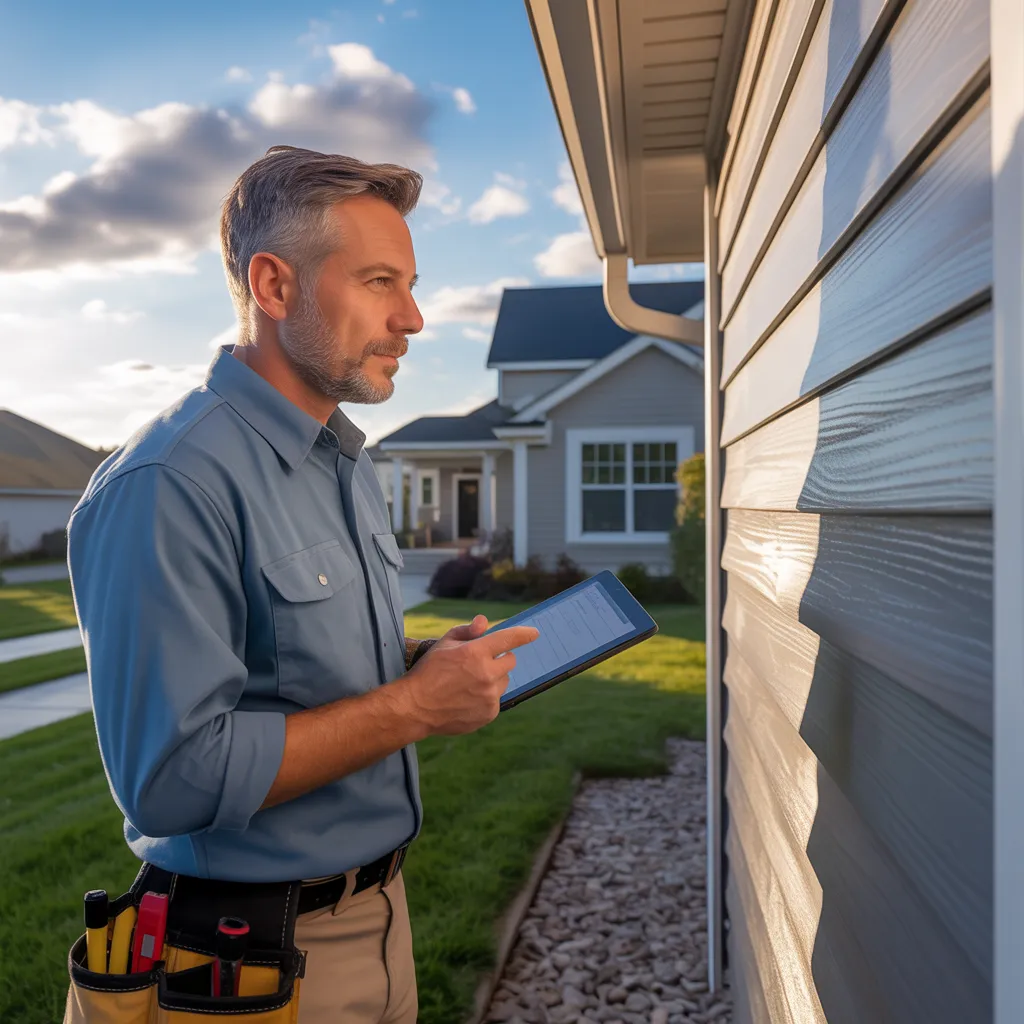
Why Quality Siding Fixes Common Curb Appeal Concerns
When homeowners seek to enhance their property's visual appeal, premium siding emerges as an vital solution to frequent curb appeal problems. Damaged or old siding can detract from a home's charm, making it seem neglected. By installing high-quality siding, homeowners can greatly improve the appearance of their property, establishing a fresh and inviting appearance. New siding not only revitalizes the façade but also helps to protect the underlying structure from weather-induced damage, thereby maintaining the home's integrity.
Furthermore, quality siding comes in a range of colors and styles, enabling homeowners to personalize their look according to individual preference and neighborhood trends. This flexibility can elevate a property's market value, making it more attractive to potential buyers. Ultimately, choosing quality siding resolves both immediate visual concerns and long-term maintenance issues, guaranteeing that a home stands out positively within its community.
Vinyl, Wood, and Fiber Cement Analysis: Finding the Perfect Exterior Cladding Option for Your Requirements
When selecting siding materials, homeowners often weigh factors such as cost, durability, and visual attractiveness. Vinyl, wood, and cement composite each offer unique benefits and challenges that can affect the decision-making process. Understanding these elements can help individuals select the optimal choice for their requirements and preferences.
Investment and Budget Review
Choosing the best siding material involves not only visual appeal but also thoughtful evaluation of cost and long-term budget implications. Vinyl siding commonly serves as the budget-friendly choice, typically demanding a reduced upfront cost and limited maintenance expenses. Conversely, wood siding offers a more expensive choice, with higher installation costs and ongoing maintenance needs that can accumulate gradually. Fiber cement siding holds a mid-range price level, bringing durability that might justify its cost in the long run. Homeowners need to review their financial position and take into account possible expenses related to installation, maintenance, and energy efficiency for each material, ensuring an informed choice that fits their budget.
Durability and Service Needs
Examining durability and maintenance needs is essential for homeowners deciding on siding materials. Vinyl siding is known for its resilience, needing minimal attention, as it guards against discoloration and can be easily cleaned. In contrast, wood siding offers natural aesthetics but requires regular maintenance, including painting or staining to prevent rot and insect damage. Fiber cement siding achieves equilibrium between both, offering durability matching vinyl while affording enhanced protection to weather and pests. However, it needs regular repainting. Homeowners must weigh these factors against their situation and dedication to invest effort and funds into maintenance. Ultimately, the choice of siding material should satisfy durability needs and maintenance desires.
Aesthetic Charm Options
A homeowner's choice in siding material significantly impacts the property's overall appearance. Vinyl siding comes with a variety of colors and styles, allowing homeowners to create a fresh appearance with minimal upkeep. Its affordability and adaptability make it a frequently chosen option. On the other hand, wood siding exemplifies a traditional beauty, offering natural warmth and comfort. However, it requires additional maintenance to prevent decay and fading. Fiber cement siding offers the ideal combination, mimicking wood's appearance while providing enhanced durability and low maintenance. It is available in several colors and textures, fitting diverse architectural styles. Ultimately, the decision among vinyl, wood, and fiber cement rests on the homeowner's aesthetic preference and maintenance commitment.
Siding Selections and Your Energy Costs
While homeowners often concentrate on appearance when selecting siding, the effect on energy bills is equally important. Different siding materials offer different levels of insulation, which can greatly influence heating and cooling costs. For instance, insulated vinyl siding can reduce energy consumption by minimizing heat loss during winter and heat gain in summer. In contrast, materials like wood or standard vinyl may not provide the same energy efficiency, resulting in higher utility bills.
In addition, the shade and feel of siding can affect energy efficiency. Lighter colors repel sunlight, potentially cutting down cooling costs, while darker colors absorb heat. Therefore, homeowners should take into account both the visual look and energy performance of their siding selections. Ultimately, choosing energy-efficient siding not only raises curb appeal but also helps in long-term savings on energy costs, making it a vital consideration in the decision-making process.
What Measures Secure Quality Siding Application for Enduring Outcomes?
Proper siding installation is vital for maintaining its longevity and effectiveness. To achieve this, homeowners should hire professional siding contractors with proven expertise. These professionals understand the subtleties of different material options and the critical nature of proper alignment and fastening techniques.
Moreover, opting for high-quality materials is paramount; inadequate products may degrade at a rapid pace, weakening the installation's soundness. Before starting installation, the supporting structure must be inspected for harm or moisture issues, as these can lead to major problems in time.
Adequate weatherproofing methods, such as installing a moisture barrier, further enhance durability. Once the siding is in place, periodic maintenance, including examinations and cleaning, can prevent minor issues from escalating.
How Hue and Surface Finish Can Make Your Home Stand Out
Determining the best color and texture for siding can transform a home's exterior, considerably enhancing its curb appeal. Vibrant hues can draw attention and create a modern appearance, while muted tones often radiate elegance and timelessness. For example, a bold blue or deep red can make a house stand out in a neighborhood, whereas soft grays and whites can promote a serene atmosphere.
Texture also plays a major role; glossy finishes can give off a modern feel, while raw surfaces add a rustic charm. Combining different materials, such as wood and vinyl, can create visual appeal and depth. Additionally, the choice of color and texture can demonstrate personal style and interact with the surrounding landscape. Ultimately, a well-considered selection of siding color and texture not only enhances the home’s appearance but also enhances its market value, making it a wise investment for homeowners looking to stand out.
Maintenance Recommendations to Keep Your Siding Looking New
Regular maintenance is essential for preserving the appearance and longevity of siding. Homeowners should start by cleaning the siding at least twice a year, using a mixture of water and mild detergent. This helps remove dirt, mildew, and mildew that can accumulate over time. Additionally, inspecting for cracks or damage is vital; any issues should be addressed promptly to prevent further deterioration.
Applying a protective sealant every several years can improve durability, especially for wooden exterior. Homeowners should also verify that drainage systems are clear to prevent moisture damage. Landscaping elements, like shrubs or trees, should be trimmed away from the siding to prevent moisture retention and insect problems.
Finally, applying new paint when appropriate not only refresh the color but also serves as an extra layer of shielding. Using these maintenance guidelines can assist in keeping siding looking new and extend its longevity considerably.
Learning About What Qualified Siding Companies Offer
Maintaining siding is a fundamental facet of house maintenance, but when it comes to considerable renovations or substitutions, professional siding services can present invaluable expertise. Homeowners can look forward to a extensive review of their existing siding condition, revealing any latent problems such as rot or mold. Professionals extend a range of materials and styles, instructing homeowners in selecting options that enhance both charm and strength.
During the installation process, clients can anticipate efficient project management, ensuring timelines are met while minimizing disruptions. Skilled technicians will handle all aspects, from removing old siding to ensuring proper insulation and moisture barriers are installed.
Following completion, many services provide warranties, offering peace of mind for homeowners. Additionally, professionals often instruct clients on care techniques to extend the lifespan of their new siding. Overall, choosing professional siding services not only improves curb appeal but also assures a quality installation that stands the test of time.
Popular Inquiries Posed Regularly
What Period Should You Anticipate for Siding Installation?
Siding installation work usually takes one to three weeks, influenced by the scope of the project, environmental conditions, and your home's size. Elements like choice of material and worker availability may additionally sway the schedule.
Learn About the Best Siding Options for Intense Weather
For severe climate detailed resource conditions, cement fiber, vinyl, and insulation siding are excellent options. These products provide durability, resistance to moisture, and defense from strong winds, guaranteeing homes stay safe and energy-efficient in harsh conditions.
Are payment plans available for siding installations?
Numerous homeowners consider diverse funding alternatives for siding projects, comprising unsecured loans, home equity credit lines, and builder financing options. These solutions can control costs while ensuring high-quality materials and installation for their properties.
Is Installing Siding Able to Enhance My Home's Market Value?
Installing new exterior cladding can significantly boost a home's resale value. Potential buyers often prioritize exterior aesthetics and longevity, making high-grade siding an desirable element that enhances overall appeal and can lead to higher offers during sales.
How Often Should I Refresh My Home's Exterior Boards?
Homeowners should consider updating their exterior every 20 to 40 years, based on material quality and environmental factors. Routine evaluations can help identify deterioration and guide prompt replacement decisions, thereby preserving both aesthetics and structural integrity.